

AI is now being tested against outcomes, not expectations. This week, markets reacted, alliances shifted, and products moved closer to real use.
What this week made clear:
AI jitters ripple through global markets
OpenAI and Microsoft reset terms
Adobe deepens its push into creative AI
AI momentum stalls as OpenAI falls short of targets

AI-linked stocks pulled back after reports that OpenAI missed internal targets for revenue and user growth, raising concerns across the sector.
The Nasdaq slipped, with pressure visible across AI-exposed companies including Oracle, CoreWeave, and semiconductor firms. Several declined between 3% to 6% following the news.
At the core is a widening gap between expectation and execution. OpenAI reportedly fell short of its goal of 1 billion weekly users and missed multiple revenue targets, even as capital demands continue to rise.
The backdrop is significant. Big Tech is expected to spend over $600 billion on AI infrastructure in 2026. That level of investment is now forcing closer scrutiny on returns.
The question now is straightforward: can AI revenue scale fast enough to justify the capital going in?
OpenAI and Microsoft reset partnership as ecosystem expands

OpenAI and Microsoft have updated their partnership structure, signaling a more flexible and competitive AI ecosystem.
Key changes:
Revenue share locked in: Microsoft is set to receive 20% of OpenAI’s revenue through 2030
Multi-cloud shift begins: OpenAI is no longer exclusive to Azure and can now work with other cloud providers
Infrastructure remains critical: Microsoft continues to provide core compute backbone for OpenAI systems
Greater independence: OpenAI gains flexibility across distribution and partnerships
At the same time, Amazon has started offering OpenAI products through AWS, widening access for developers and reducing reliance on a single cloud ecosystem.
Adobe rolls out Firefly AI assistant
Adobe has introduced a Firefly AI assistant designed to work directly inside its creative tools.
Instead of one-time generation, the assistant supports ongoing workflows:
Generate and edit within a single flow
Adjust designs through natural language prompts
Support multi-step creative processes from ideation to output
Deliver context-aware suggestions based on active projects
The focus is clear. AI is being embedded into the creative process itself, rather than sitting outside it.
Also Read
Top Tweet of the Week
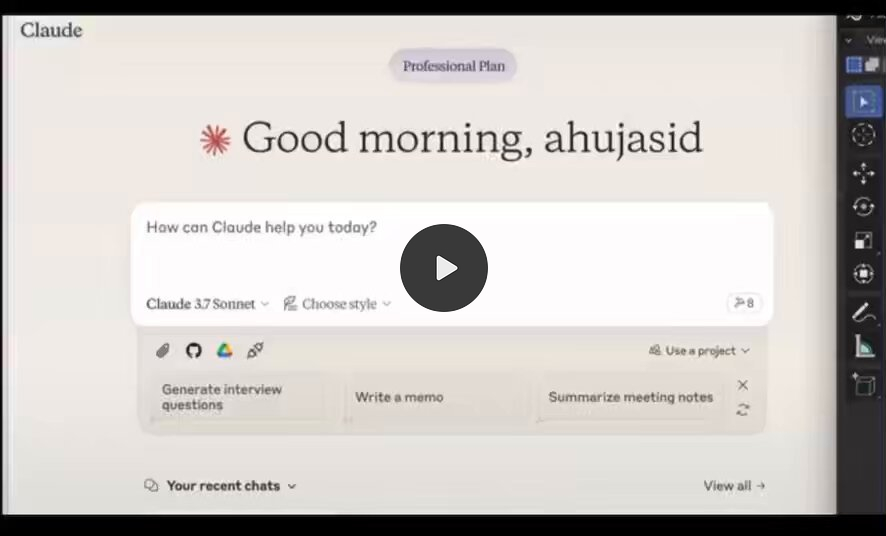
From Prompt to Prototype - AI Just Hijacked 3D Design
A post on X claims Claude has been wired into Blender - turning plain text into complex CAD geometries in seconds, work that once kept entire design teams busy.

Worth a Try AI Tools
Built for execution, not just interaction.
What’s new:
Handles multi-step tasks end-to-end
Stronger planning and execution chains
Designed for workflows like coding, research, and automation workflows
A daily word game pitting users against an AI model in real-time word chains.
A high-fidelity video model focused on realism.
Why try it?
Strong contender for creators experimenting with next-gen video AI.
Before You Go
If markets are starting to question AI returns, while companies continue doubling down on infrastructure and partnerships, where does the real leverage shift next - models, distribution, or compute?
See you next week.