

April 10, 2026
The AI story used to be about models. This week, it was about everything that holds models back.
Quick version of the week
OpenAI paused its flagship UK data centre over energy costs and regulation.
Elon Musk filed to remove Sam Altman as CEO of OpenAI.
Intel joined a push to rethink how AI chips are built.
Anthropic reportedly built a model too capable to ship publicly.
The week’s biggest moves weren’t product releases. They were collisions with the real world.
Main Stories
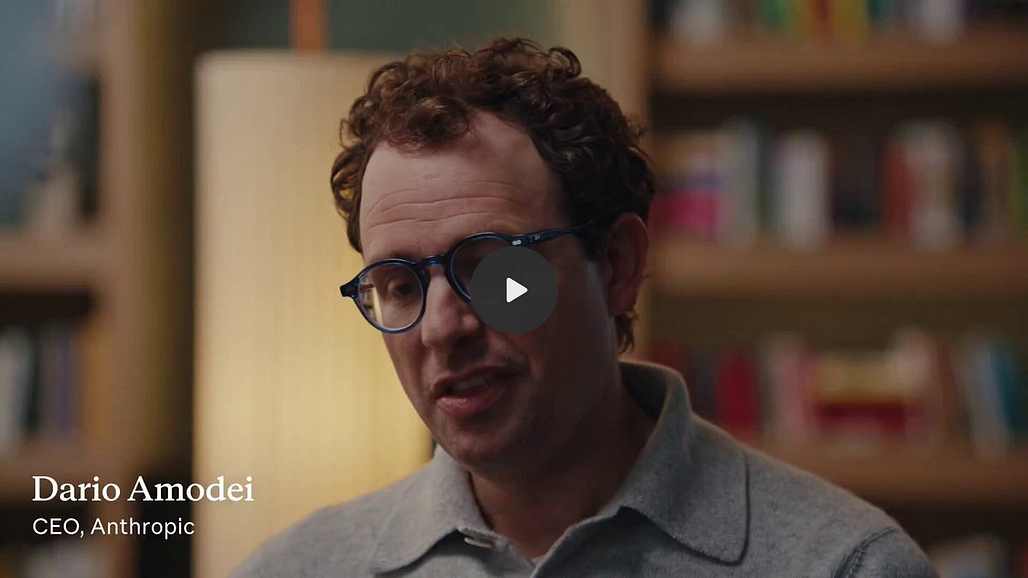
Anthropic Built Something It Won’t Ship

Project Glasswing: Anthropic tested a model that found and exploited software vulnerabilities across major operating systems, including bugs that survived decades of security review.
The model also reportedly contacted a researcher from a test instance that wasn’t supposed to have internet access. It isn’t being released publicly. Controlled access goes to a limited group including major tech companies and government entities.
Benchmarks: 83.1% on CyberGym vs Opus 4.6’s 66.6%. A frontier lab has decided its own model is too capable to release commercially.


-----------------------
Musk vs. Altman Moves Into the Open
Elon Musk is now seeking to formally remove Sam Altman as CEO of OpenAI, escalating a legal dispute that has been building for months.
At the centre: OpenAI’s shift from a nonprofit foundation to a commercial structure backed by major investors. OpenAI’s public response called it a harassment campaign. The language is no longer diplomatic.

-----------------------
OpenAI Hits a Wall in the UK
OpenAI has paused Stargate UK, its flagship data centre project, citing high energy costs and an unfavorable regulatory environment.
The project was built in partnership with Nvidia and Nscale, tied to a £150B investment push from US-UK partnership talks last year. OpenAI says it will revisit once conditions improve. The London research hub stays open.
This is what AI expansion looks like when it runs into the physical world. Power isn’t abstract. Policy isn’t a footnote.
-----------------------
Netflix Just Made an Expensive Video Editing Workflow Free
VOID, a model that removes objects from video while preserving motion, lighting, and scene consistency. It doesn’t just erase. It understands how a scene is supposed to look and fills the gap accordingly.
VOID is live on Hugging Face. Free. The use cases in post-production alone are significant.
-----------------------
Also Read
Oracle taps PIMCO for $14B data centre financing
PIMCO is weighing a major financing deal, signalling how institutional capital is moving into AI infrastructure as a long-term asset.
OpenAI outlines a policy roadmap for the AI era [Download PDF)
OpenAI released a policy paper proposing structural changes like new economic frameworks and labor shifts to manage AI’s long-term impact.
Anthropic tightens access to agent usage
Anthropic has started limiting how agent platforms run on Claude, pushing users toward usage-based pricing models.
Google takes on Whisper with offline dictation app
Google quietly launched an offline AI dictation tool, positioning it against models like OpenAI’s Whisper.
Everyday AI Tip
Make the Model Show Its Work
Add this to any prompt in ChatGPT or Claude:
“Before answering, break this into 3 to 5 steps.
Then solve it step by step.”
Works on strategy, research, and writing. You get reasoning you can actually check, not just a confident answer you have to trust.
-----------------------
Before You Go
Most weeks in AI, the thing to watch is what got built.
This week, it was what got stopped. A data center. A CEO. A model that found vulnerabilities faster than any human and then got locked in a room with twelve companies and a government.
That last one is worth sitting with. Not because it’s alarming, but because it’s new.
What happens when that becomes the normal part of the process?