

Two years into the AI boom, the invoices are arriving.
Companies that spent freely now want receipts.
Apple raised its laptop prices because AI data centers drained the memory supply. And the US government spent the week deciding who’s allowed to switch the most powerful models on.
Plenty to get to.
Lead Story
He Dumped Claude for DeepSeek and Watched Costs Crash
For two years, OpenAI and Anthropic rode a simple mindset: throw money at AI, worry about the return later. It carried both toward trillion-dollar valuations and confidential IPO filings earlier this month.
Then Flo Crivello did the math. The founder of the startup Lindy moved 100% of his traffic off Claude and onto DeepSeek, the cheap open-weight Chinese model, and says the switch will save him millions within months.

He’s the loud version of a quiet trend. Enterprises that once burned tokens freely are now hunting for the cheapest model that can still do the job.
That’s also why both OpenAI and Anthropic are rushing to IPO: their growth will never look better than it does right now, and big customers are about to start cutting back.
The giants smell it too. Microsoft, Amazon, and Google are all pushing cheaper models, with Satya Nadella warning that the industry can’t let a handful of expensive models swallow all the value. Read More →
In Focus
Even Apple Couldn’t Absorb the AI Bill
On Thursday, Apple raised prices across every Mac, iPad, home device, and the Vision Pro, globally, overnight. The iPhone, Watch, and AirPods were spared.
The increases run $100 to $300. A 13-inch MacBook Air jumped from $1,099 to $1,299. The entry iPad now starts higher. The Mac Studio took the steepest hit.
The culprit is AI. The data-center buildout has driven memory prices up roughly 80%, and Tim Cook had already called the hike “unavoidable.” Even Apple, with all its supply-chain muscle, couldn’t absorb it.
This is the moment the AI boom started billing ordinary shoppers. Apple’s stock fell about 6%, Microsoft followed with Xbox increases, and Micron expects the squeeze to last past 2027. Read More →
The Breakthrough
IBM Just Broke the One-Nanometer Barrier
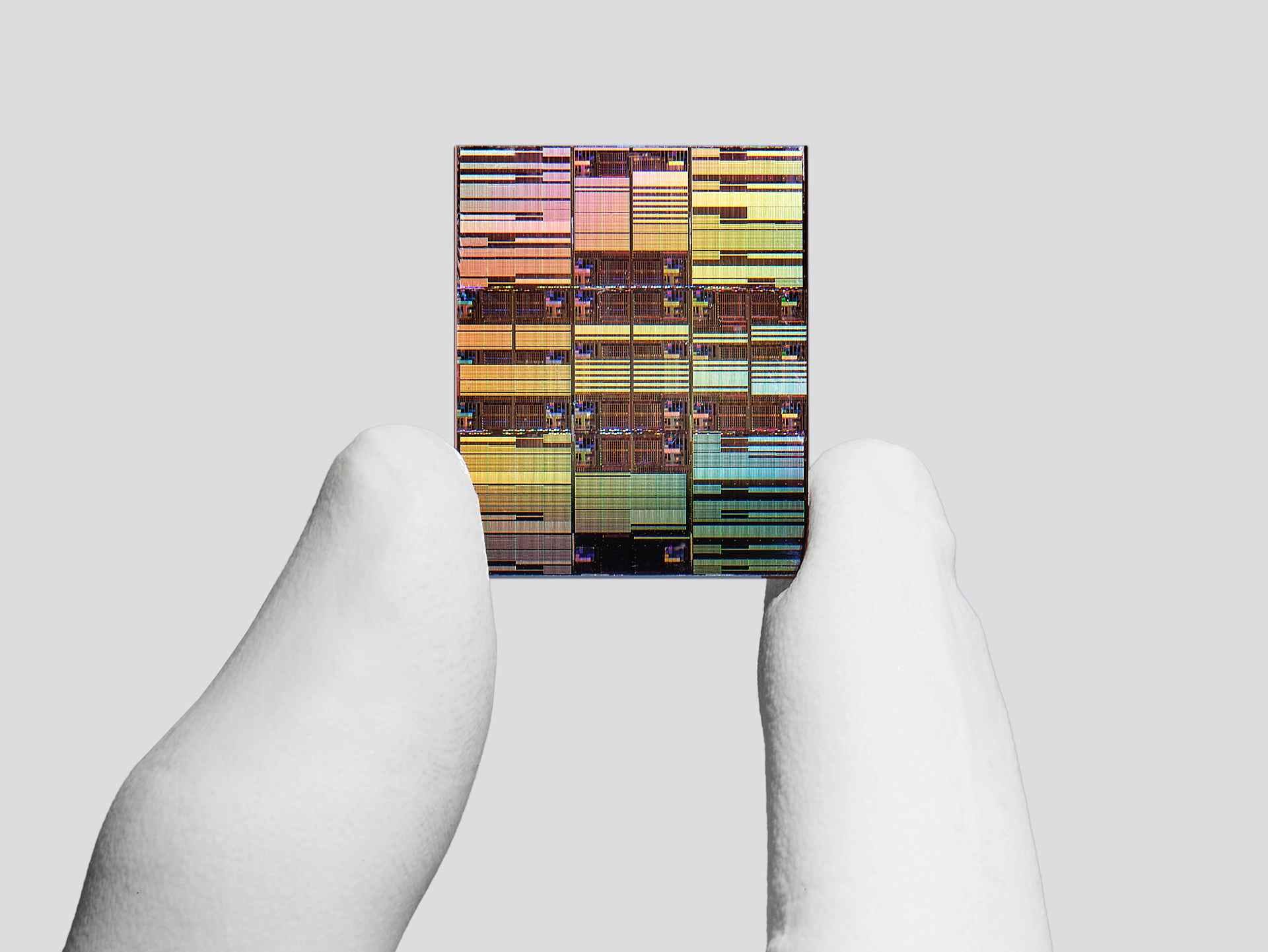
While everyone counts costs, IBM moved the ceiling.
On Thursday it unveiled the world’s first sub-1-nanometer chip, a 0.7nm design that stacks transistors in 3D instead of shrinking them sideways.
The numbers are staggering. Nearly 100 billion transistors on a fingernail, roughly double its 2021 chip, with up to 50% more performance or 70% better efficiency.
Here’s what matters for AI. IBM estimates this could cut the time to train a massive model from about three months to two weeks.
One honest caveat keeps it grounded. This is a lab result, not a product.
IBM licenses its designs to foundries, and history says volume production could be five years out. Still, the stock jumped 6% on a day with no earnings report. Read More →
Also Read
Gemini learns to use a computer. Google’s fast, cheap Gemini 3.5 Flash can now click, type, and navigate a screen like an agent. Read More
Google’s brain drain accelerates. Gemini co-lead Noam Shazeer and AlphaFold Nobel laureate John Jumper both left for rivals in the same week. Read More
Chips move into the real world. onsemi is buying Synaptics for ~$7B, its biggest deal ever, betting on “physical AI” in cars and devices. Read More
The White House slows OpenAI down. The administration asked OpenAI to release GPT-5.6 customer by customer, echoing Anthropic’s Mythos playbook. Read More
A plan for displaced workers. New bipartisan nonprofit RAISE US launches with $500M+ for retraining, as one estimate warns of 25M lost jobs. Read More
OpenAI wants to patch the internet. Its new Daybreak suite shifts from finding software flaws to auto-fixing them, with cURL and Python on board. Read More
A trillionaire, briefly. SpaceX’s record IPO pushed Elon Musk past $1T before he slipped back under — money now fueling his AI arm, xAI. Read More
Top Tweet of the Week
The engineer who built Claude Code says he’s stopped prompting Claude - he writes “loops” that do it for him.
Raytar’s thread shows how: hand the AI a goal and a finish line, and it works and self-checks until the job is actually done.

Read the thread 👇

Worth a Try AI Tools
1. Fusion - OpenRouter’s new compound system runs several top models on the same prompt at once, then blends their best answers into one.
Why try it? It’s the efficiency shift made personal: better answers without locking into one lab. [Try it here →]
2. note.md - A local-first Mac workspace that folds your PDF reader, Zotero, and Obsidian into one app: read papers, take linked notes, cite as you go, and search everything by meaning. The AI runs locally, so your notes never leave your machine.
Why try it? For anyone drowning in research tabs who still wants their data to stay theirs. [Try it here →]
Before You Go
Two years ago, the deal sounded easy: spend big, get magic.
This week made the fine print visible. Companies are counting tokens, your next laptop costs more, and the most powerful chip ever built is still years from a shelf.
The magic is real. The invoice is just starting to show up.
See you in the next issue.